Understanding the Environmental Impact of Cleaning Products
Introduction to Cleaning Products and the Environment
Cleaning products are essential in our daily lives, ensuring our homes and workplaces are hygienic and safe. However, the environmental impact of these products often goes unnoticed. Many conventional cleaning agents contain chemicals that can harm ecosystems, contribute to pollution, and affect human health.
Understanding the ingredients and manufacturing processes behind these products is crucial for making informed choices. By opting for environmentally friendly alternatives, we can reduce our ecological footprint and promote a healthier planet.
The Ingredients: What to Watch Out For
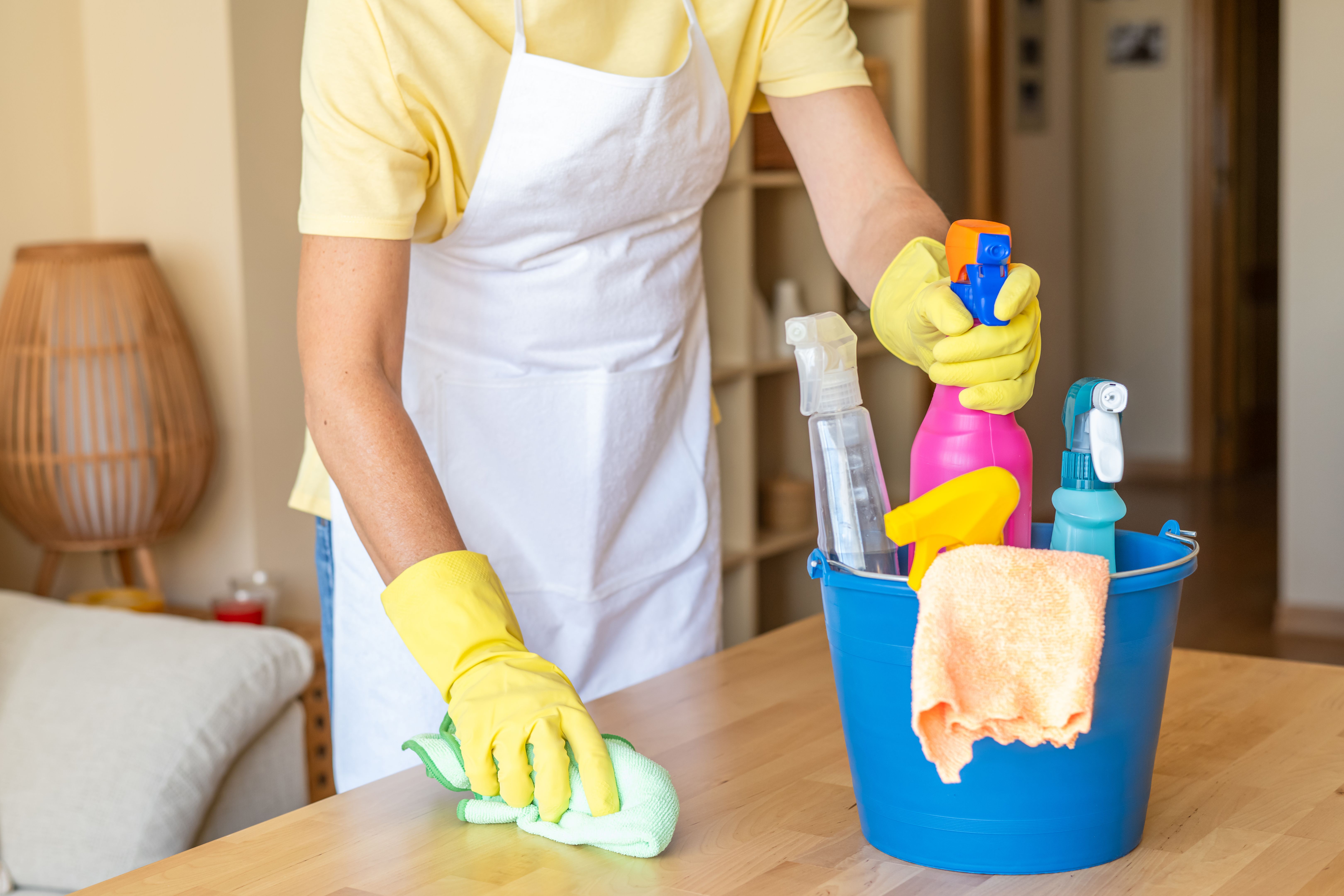
Many cleaning products contain harsh chemicals that can be detrimental to the environment. Ingredients like phosphates, chlorine, and ammonia are common in household cleaners but can cause significant harm when they enter waterways. These substances can lead to the growth of harmful algae, which depletes oxygen levels and affects aquatic life.
Furthermore, volatile organic compounds (VOCs) present in some cleaners contribute to air pollution and can cause respiratory issues in humans. It's vital to read labels and be aware of what goes into your cleaning products.
Choosing Greener Alternatives
Thankfully, there are many eco-friendly options on the market. These products often use natural ingredients like vinegar, baking soda, and essential oils, which are less harmful to the environment. Additionally, they are often packaged in recyclable materials, further reducing their environmental impact.

Packaging and Waste
Beyond the ingredients, the packaging of cleaning products plays a significant role in their environmental footprint. Single-use plastic bottles are a major concern, contributing to the growing plastic waste crisis. Opting for products that offer refillable options or are packaged in biodegradable materials can make a significant difference.
Supporting brands that prioritize sustainable packaging is a step towards reducing the environmental impact of your cleaning routine.
Home-Made Solutions
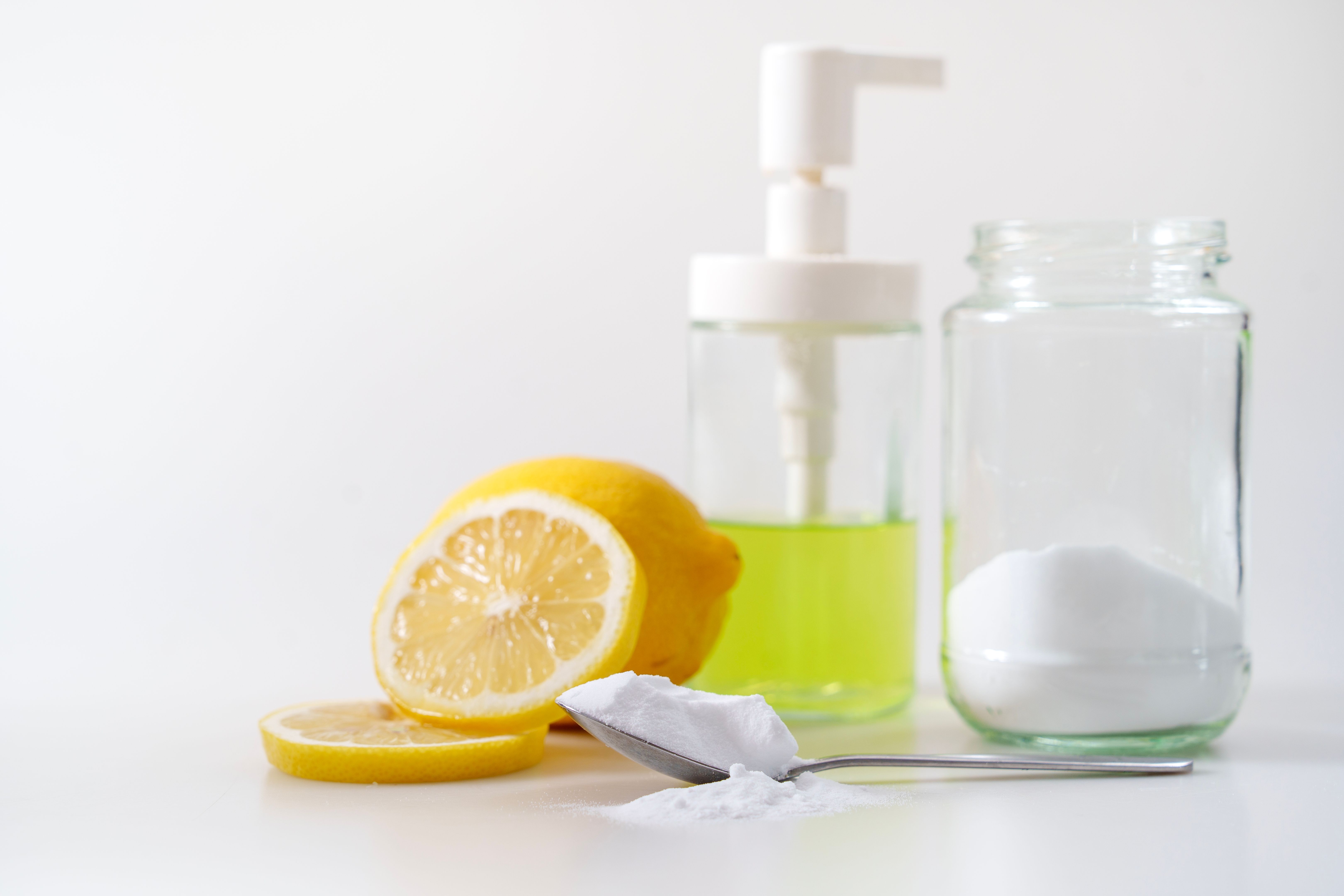
Creating your own cleaning solutions is another effective way to minimize environmental harm. Simple mixtures of vinegar and water can serve as all-purpose cleaners, while baking soda is excellent for scrubbing surfaces. These homemade alternatives are not only cost-effective but also safe for the environment.
The Role of Consumer Awareness
Consumer awareness is key in driving change within the cleaning industry. By demanding transparency and sustainability, consumers can influence companies to adopt greener practices. Supporting brands that prioritize environmental responsibility encourages the development of more sustainable products.
Moreover, educating others about the impact of cleaning products can amplify these efforts, leading to widespread change in consumer behavior.
Conclusion: A Cleaner, Greener Future
Understanding the environmental impact of cleaning products is essential for making responsible choices. By choosing eco-friendly alternatives, reducing waste through sustainable packaging, and considering homemade solutions, we can significantly lessen our ecological footprint.
As consumers, our choices matter. By prioritizing the planet in our cleaning habits, we contribute to a healthier, more sustainable future for all.